
Indoor plants have become more than just decoration—they’re a lifestyle choice. From improving air quality to boosting mood, plants bring life into any space. But here’s the reality:
👉 Many people struggle to keep indoor plants alive.
If you’ve ever bought a plant that didn’t last more than a few weeks, you’re not alone. The good news? With the right knowledge, indoor plant care is simple and incredibly rewarding.
This complete guide from Blogszones will walk you through everything you need to know—from choosing the right plants to keeping them thriving year-round.
Why Indoor Plants Matter
Indoor plants do more than just look good.
Benefits include:
- Improved air quality
- Reduced stress and anxiety
- Better focus and productivity
- Aesthetic enhancement of your home
Even a few well-maintained plants can transform your living space.
Choosing the Right Indoor Plants
Not all plants are created equal—especially for beginners.
Best Beginner-Friendly Plants
If you’re just starting out, choose low-maintenance options like:
- Snake Plant
- Pothos
- ZZ Plant
- Spider Plant
These plants are forgiving and can survive minor care mistakes.
Consider Your Environment
Before buying a plant, evaluate:
- Light availability
- Room temperature
- Humidity levels
- Space
👉 A plant that thrives in one home may struggle in another.
Understanding Light Requirements
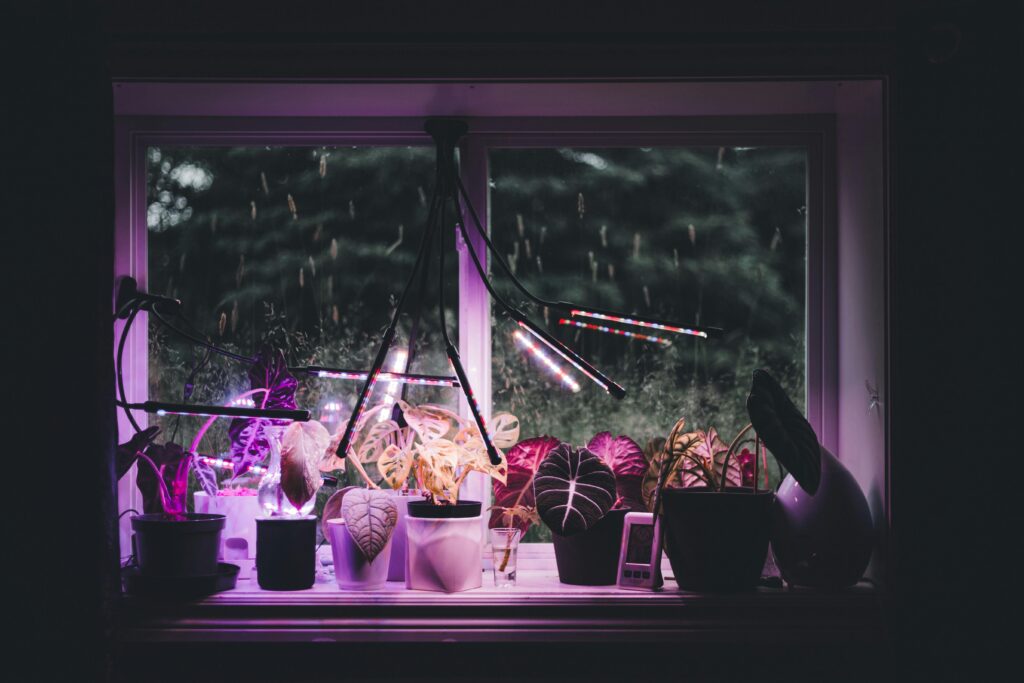
Light is the most important factor in plant care.
Types of Light
🌤 Bright Indirect Light
- Near windows but not direct sunlight
- Ideal for most indoor plants
☀ Direct Sunlight
- Strong, direct rays
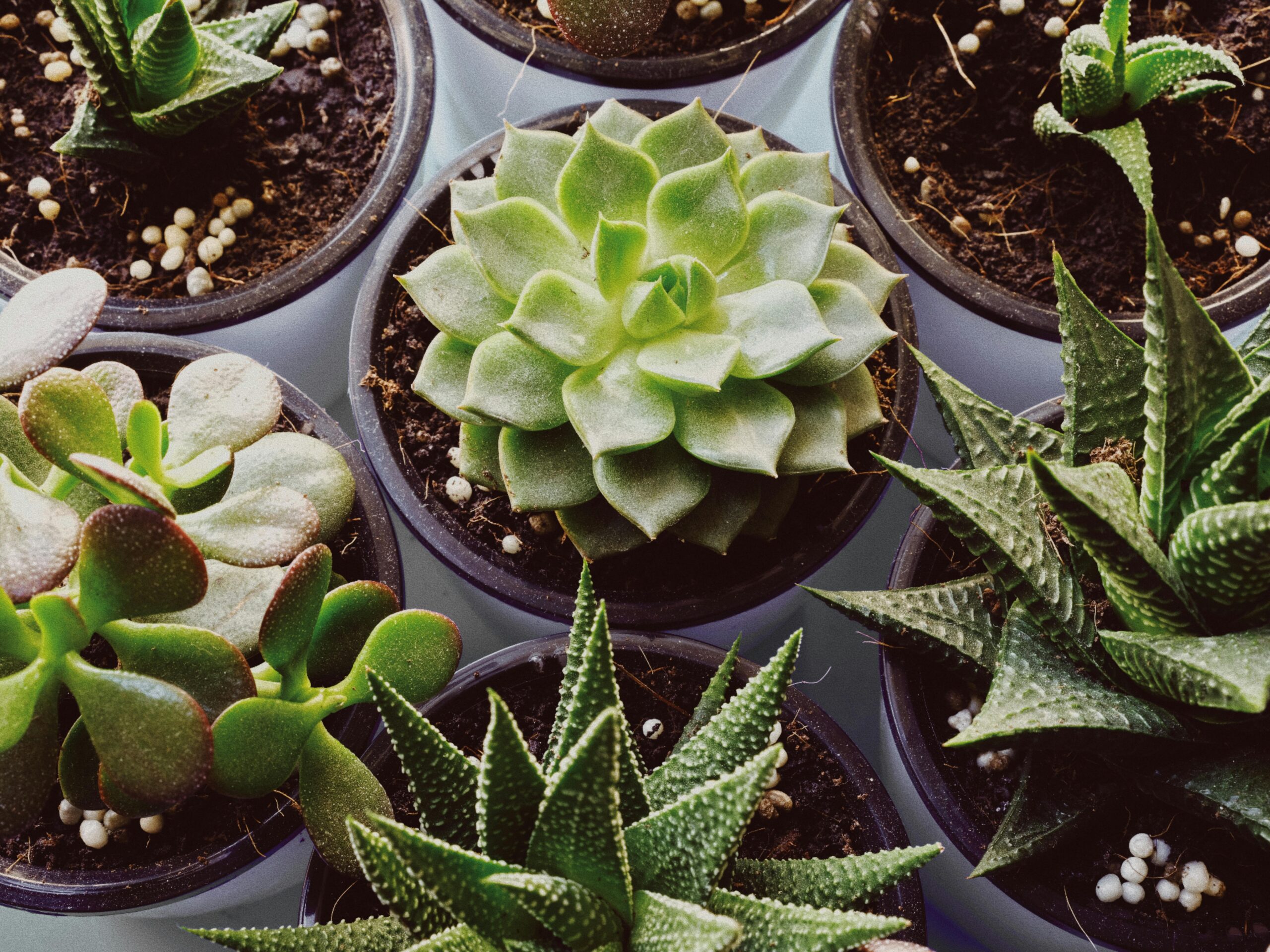
- Suitable for succulents and cacti
🌥 Low Light
- Minimal natural light
- Works for hardy plants like ZZ Plant
Common Mistake:
❌ Placing low-light plants in dark corners
👉 Low light doesn’t mean no light.
Watering: The Most Common Mistake
Overwatering kills more plants than anything else.
Golden Rule:
👉 Water only when the soil is dry
How to Check:
- Stick your finger 1–2 inches into the soil
- If dry → water
- If moist → wait
Signs of Overwatering:
- Yellow leaves
- Root rot
- Mushy soil
Signs of Underwatering:
- Dry, crispy leaves
- Drooping
Choosing the Right Soil
Soil affects drainage and nutrient availability.
Basic Rule:
Use well-draining soil for most indoor plants.
Special Cases:
- Succulents → cactus mix
- Tropical plants → moisture-retaining soil
Pot Selection Matters
Your pot plays a bigger role than you think.
Must-Have Feature:
✔ Drainage holes
Without drainage:
- Water builds up
- Roots rot
Pot Size Tip:
- Don’t use oversized pots
- Choose slightly larger than the root ball
Temperature and Humidity
Most indoor plants prefer conditions similar to humans.
Ideal Temperature:
- 18°C to 27°C (65°F to 80°F)
Humidity Tips:
- Use a humidifier
- Mist plants occasionally
- Group plants together
Fertilizing Indoor Plants
Plants need nutrients to grow.
When to Fertilize:
- During growing season (spring & summer)
How Often:
- Every 2–4 weeks
Avoid:
❌ Over-fertilizing
👉 This can damage roots.
Pruning and Maintenance
Regular maintenance keeps plants healthy.
Benefits of Pruning:
- Encourages growth
- Removes dead leaves
- Improves appearance
Simple Tips:
- Use clean scissors
- Remove yellow or damaged leaves
Repotting: When and Why
Plants outgrow their pots over time.
Signs You Need to Repot:
- Roots coming out of drainage holes
- Slow growth
- Soil dries too quickly
When to Repot:
- Every 1–2 years
Common Indoor Plant Problems
1. Yellow Leaves
Cause:
- Overwatering
- Poor drainage
2. Brown Leaf Tips
Cause:
- Low humidity
- Underwatering
3. Pests
Common pests:
- Spider mites
- Mealybugs
Solution:
- Wipe leaves
- Use mild insect spray
Best Indoor Plant Care Routine
Consistency is key.
Weekly Routine:
- Check soil moisture
- Inspect leaves
- Adjust plant position
Monthly Routine:
- Fertilize
- Clean leaves
Indoor Plant Styling Tips
Plants are also part of your home design.
Ideas:
- Use shelves for layering
- Hang plants near windows
- Mix plant sizes
👉 A well-placed plant can transform a room.
Beginner Mistakes to Avoid
❌ Overwatering
Most common mistake.
❌ Ignoring Light Needs
Plants need proper placement.
❌ Using Wrong Soil
Leads to poor growth.
❌ Lack of Consistency
Plants need regular care.
How to Build a Plant Habit
Start small.
Step-by-step:
- Buy 1–2 easy plants
- Learn their needs
- Build confidence
- Expand gradually
Are Indoor Plants Hard to Maintain?
Not at all—if you understand the basics.
Most problems come from:
- Too much care
- Not the right care
Final Thoughts
Indoor plant care is not about perfection—it’s about consistency and learning. Once you understand your plants’ needs, keeping them healthy becomes second nature.
Start simple, observe your plants, and adjust your routine. Over time, you’ll not only keep plants alive—you’ll help them thrive.
Bottom Line
- Choose beginner-friendly plants
- Focus on proper light and watering
- Avoid overwatering
- Maintain a simple routine
Blogszones is here to help you create a greener, healthier living space. With the right approach, anyone can become confident in indoor plant care—one plant at a time.