
Living in an apartment or a home without a yard doesn’t mean you have to give up on gardening. In fact, balcony gardening has become one of the most popular trends in 2026, especially in urban areas where space is limited.
Whether you want fresh herbs, colorful flowers, or even small vegetables, your balcony can become a thriving green space with the right approach.
This detailed guide from Blogszones will walk you through everything you need to know to start and maintain a successful balcony garden—even if you’re a complete beginner.
Why Balcony Gardening Is Worth It
Balcony gardening offers more than just visual appeal.
Key benefits:
- Access to fresh herbs and vegetables
- Reduced stress and improved mental well-being
- Better air quality around your living space
- A relaxing and productive hobby
Even a small balcony can become a peaceful retreat with the right setup.
Step 1: Understand Your Balcony Conditions
Before buying any plants, evaluate your space carefully.
☀ Sunlight Exposure

Observe how much sunlight your balcony gets:
- Full sun (6–8 hours): Ideal for vegetables and flowering plants
- Partial sun (3–5 hours): Suitable for herbs and some greens
- Low light (1–2 hours): Best for shade-loving plants
🌬 Wind Exposure
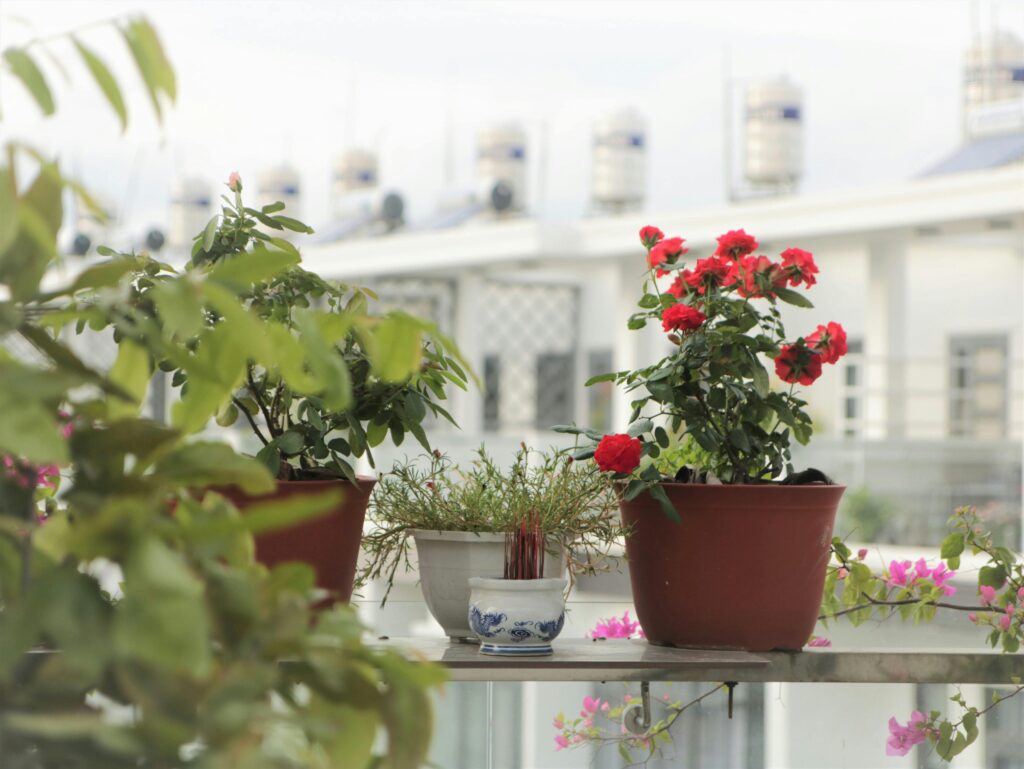
High-rise balconies often experience strong winds.
- Choose sturdy plants
- Use heavier pots
- Consider wind barriers
🌡 Temperature
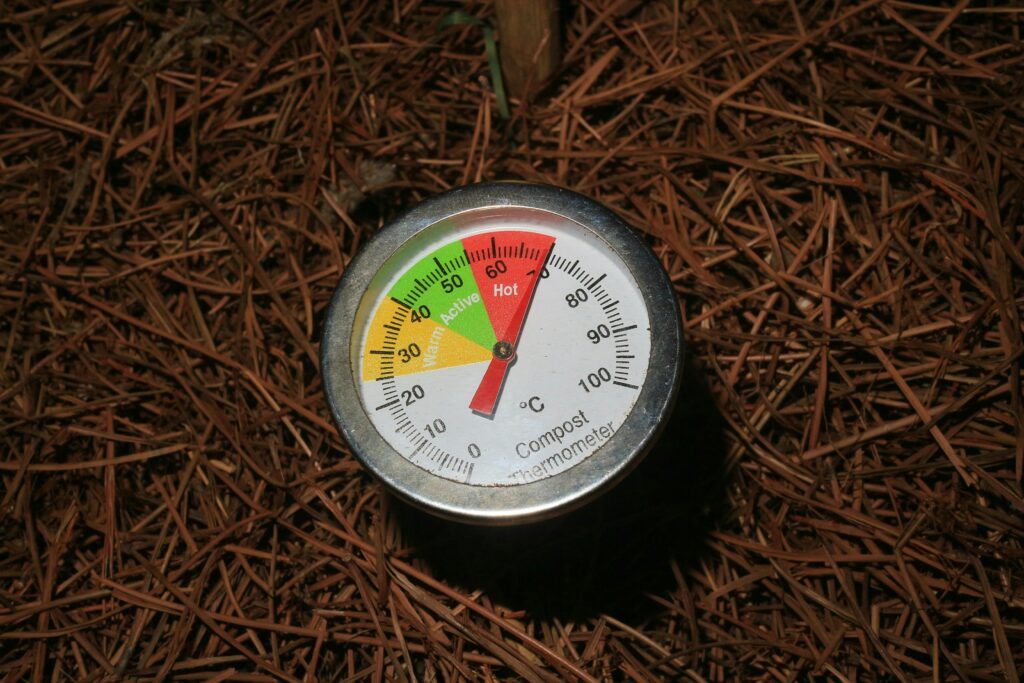
Balconies can get hotter or colder than indoor spaces.
- Monitor seasonal changes
- Choose plants suited to your climate
Step 2: Choose the Right Containers

Container choice is crucial for balcony gardening success.
Types of Containers:
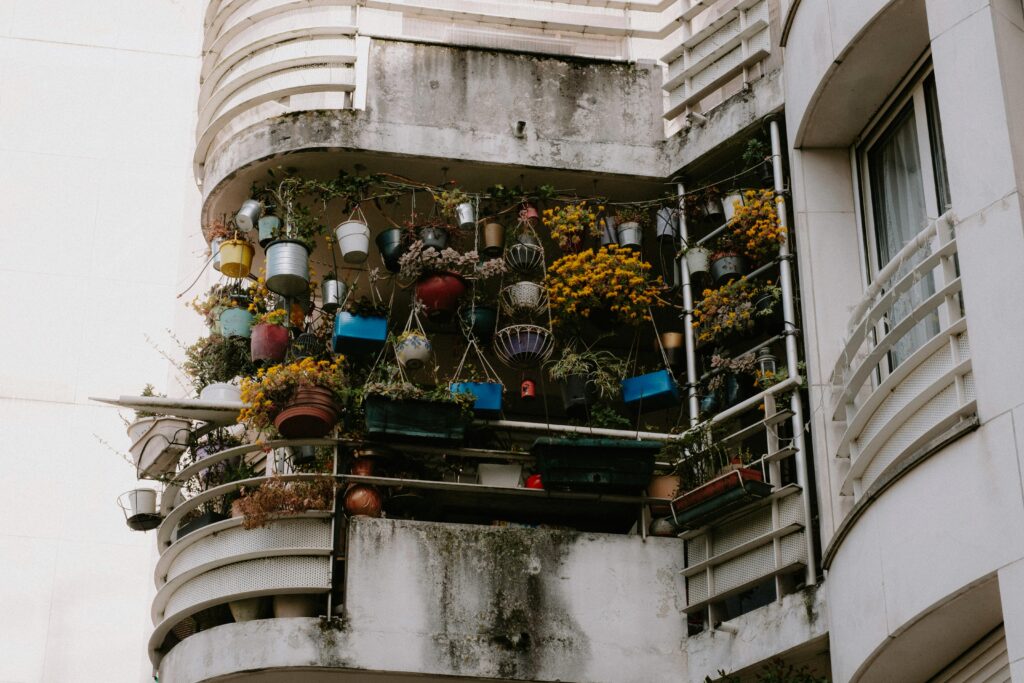
- Plastic pots (lightweight and affordable)
- Clay pots (better airflow but heavier)
- Hanging baskets
- Vertical planters
Important Tip:
✔ Always choose pots with drainage holes
Without proper drainage:
- Water accumulates
- Roots rot
Step 3: Use the Right Soil
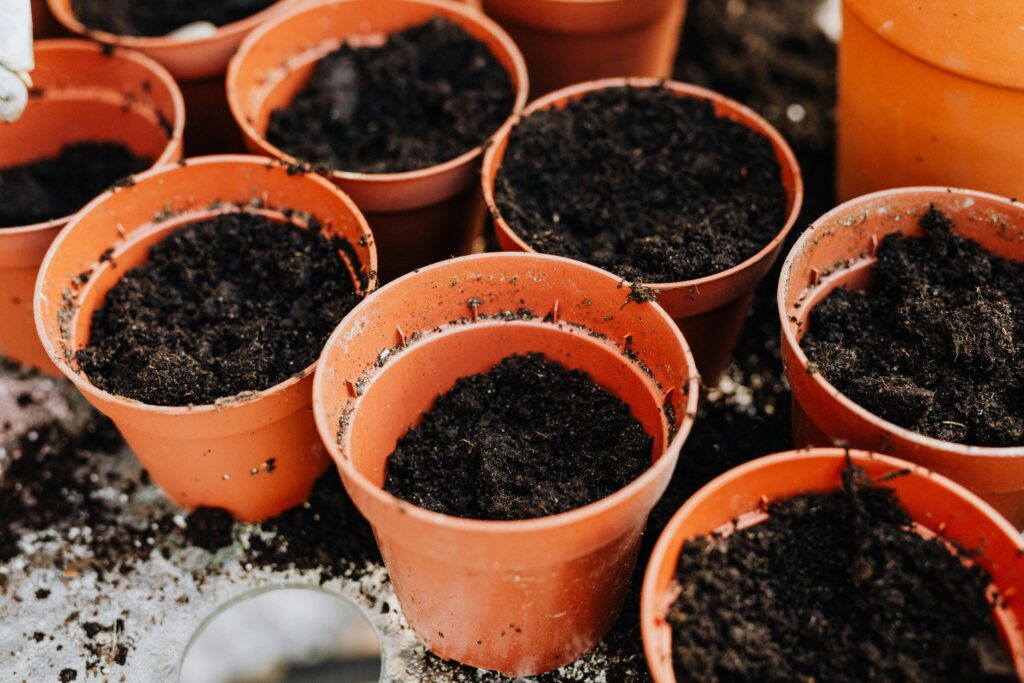
Regular garden soil is not ideal for containers.
Best option:
Use potting mix designed for container gardening.
Why it matters:
- Better drainage
- Proper aeration
- Supports root growth
Step 4: Select the Right Plants
Choosing the right plants depends on your balcony conditions.
🌿 Best Plants for Sunny Balconies

- Tomatoes
- Peppers
- Basil
- Marigolds
🌱 Best Plants for Partial Shade
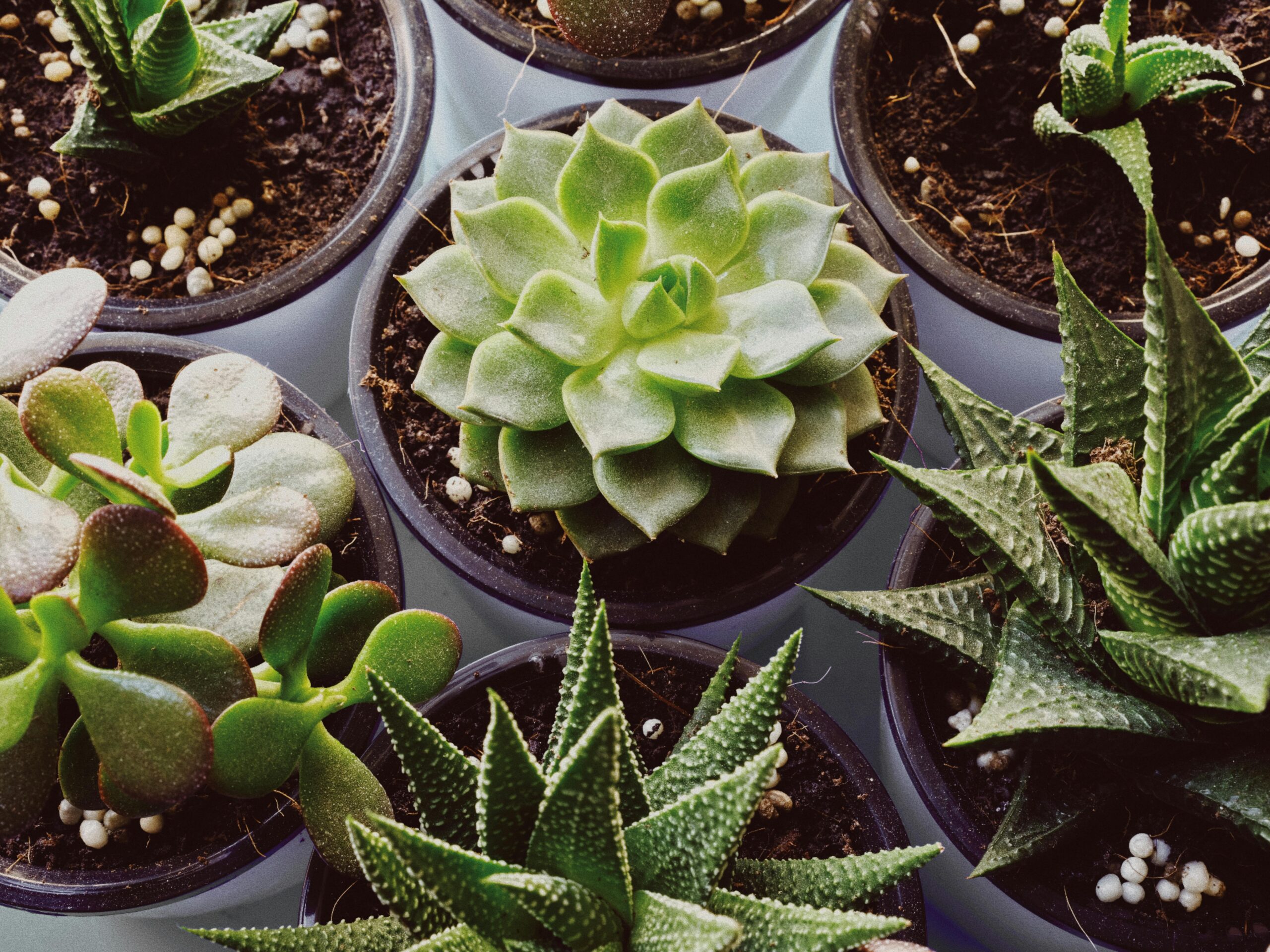
- Mint
- Spinach
- Lettuce
- Coriander
🌸 Best Plants for Low Light
- Ferns
- Snake plants
- Peace lilies
👉 Start with easy-to-grow plants before experimenting.
Step 5: Watering the Right Way
Watering is one of the most important aspects of balcony gardening.
Golden Rule:
👉 Water when the topsoil feels dry
Tips:
- Water early morning or evening
- Avoid overwatering
- Ensure excess water drains out
Common mistake:
❌ Watering daily without checking soil
Step 6: Fertilizing Your Plants
Plants in containers need extra nutrients.
When to fertilize:
- Every 2–3 weeks during growing season
Options:
- Liquid fertilizers
- Organic compost
- Slow-release fertilizers
👉 Don’t over-fertilize—it can harm plants.
Step 7: Maximize Small Space
Balcony gardening is all about smart space usage.
Space-saving ideas:
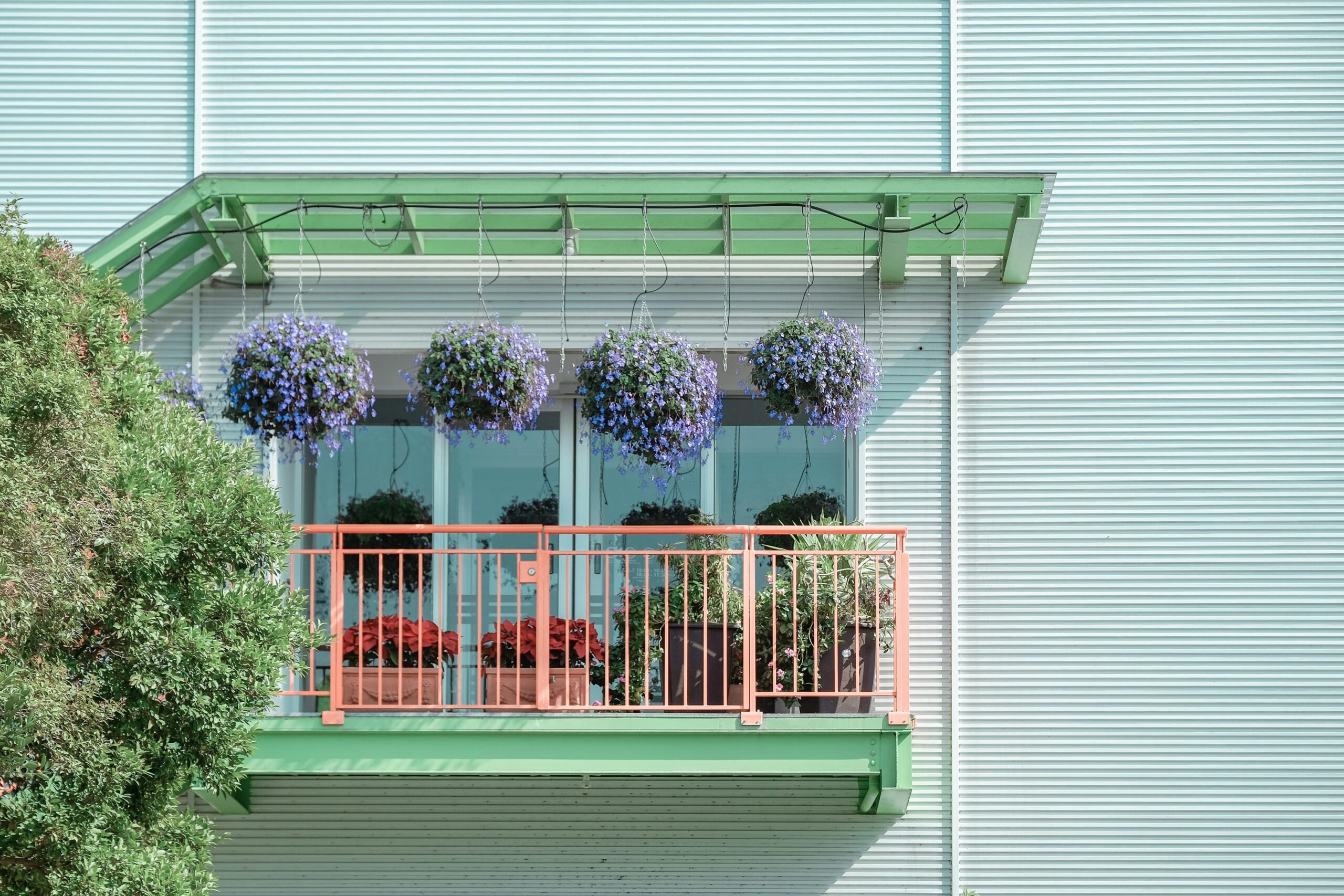
✔ Vertical Gardening
- Wall-mounted planters
- Hanging pots
✔ Rail Planters
- Attach to balcony railing
✔ Multi-level Shelves
- Stack plants at different heights
👉 This allows you to grow more in less space.
Step 8: Protect Your Plants
Balcony plants face environmental challenges.
🌬 Wind Protection
- Use screens or barriers
- Group plants together
☀ Sun Protection
- Use shade nets if sunlight is too strong
🌧 Rain Protection
- Move delicate plants indoors during heavy rain
Step 9: Regular Maintenance
Consistency keeps your garden healthy.
Weekly tasks:
- Check soil moisture
- Inspect leaves
- Remove dead leaves
Monthly tasks:
- Fertilize
- Adjust plant positions
Step 10: Pest Control
Even balcony plants can attract pests.
Common pests:
- Aphids
- Spider mites
- Mealybugs
Natural solutions:
- Neem oil spray
- Soap water spray
👉 Regular inspection prevents infestations.
Beginner-Friendly Balcony Garden Setup
If you’re just starting:
Simple Starter Plan:
- 2 herb plants (mint, basil)
- 1 flowering plant
- 1 leafy vegetable
👉 This keeps things manageable and builds confidence.
Common Mistakes to Avoid
❌ Overcrowding
Too many plants = poor airflow.
❌ Overwatering
Most common cause of plant failure.
❌ Ignoring Sunlight Needs
Each plant has specific requirements.
❌ Using Poor Soil
Leads to weak growth.
Seasonal Balcony Gardening Tips
🌸 Spring & Summer
- Best time for growth
- Water more frequently
🍂 Autumn
- Reduce watering
- Prepare for cooler weather
❄ Winter
- Protect plants from cold
- Move indoors if necessary
Can You Grow Vegetables on a Balcony?
Yes—and it’s one of the best uses of your space.
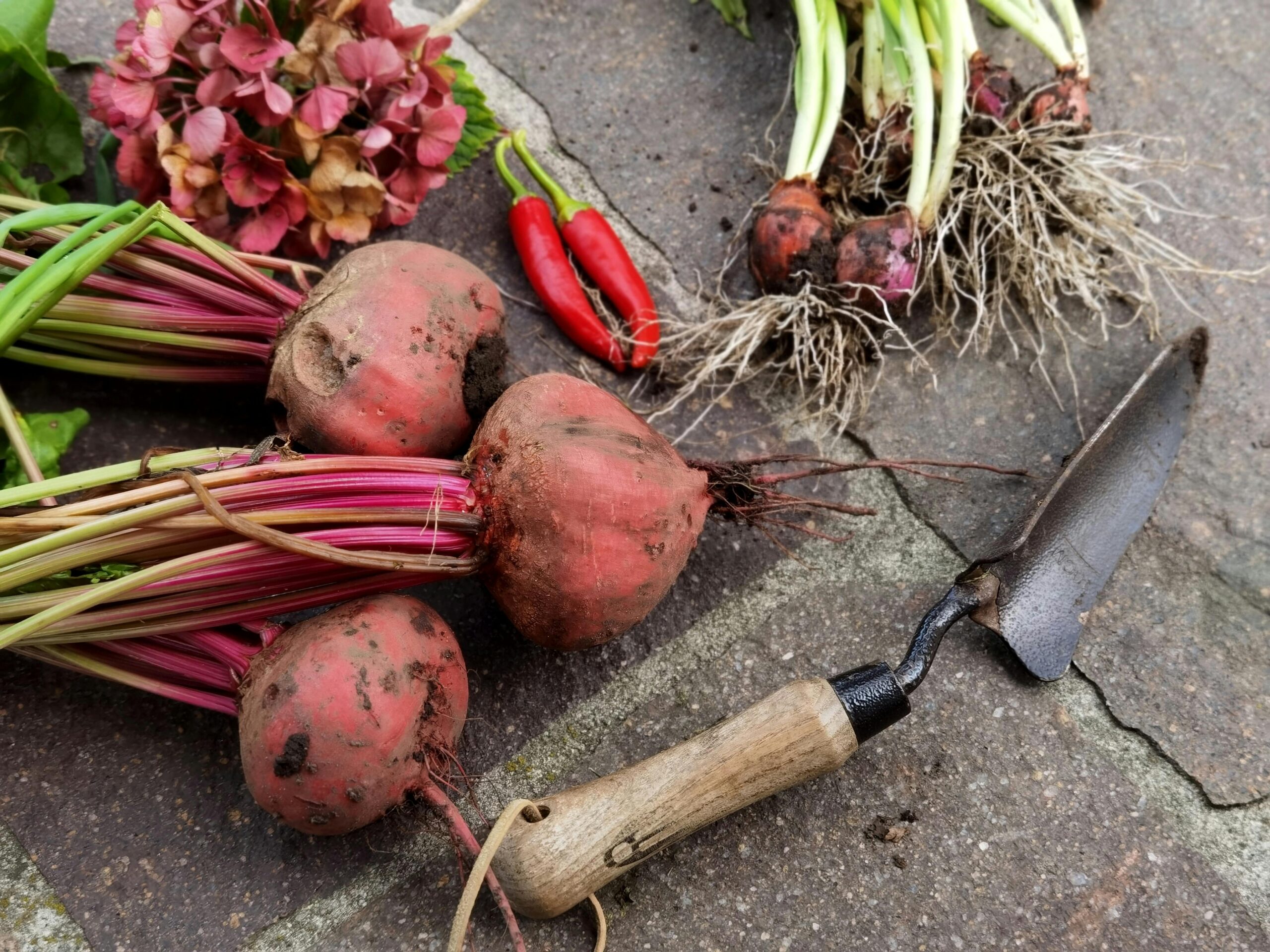
Easy vegetables:
- Cherry tomatoes
- Chillies
- Spinach
- Lettuce
👉 Container gardening works perfectly for small crops.
Creating a Relaxing Balcony Space
Your garden can also be your retreat.
Ideas:
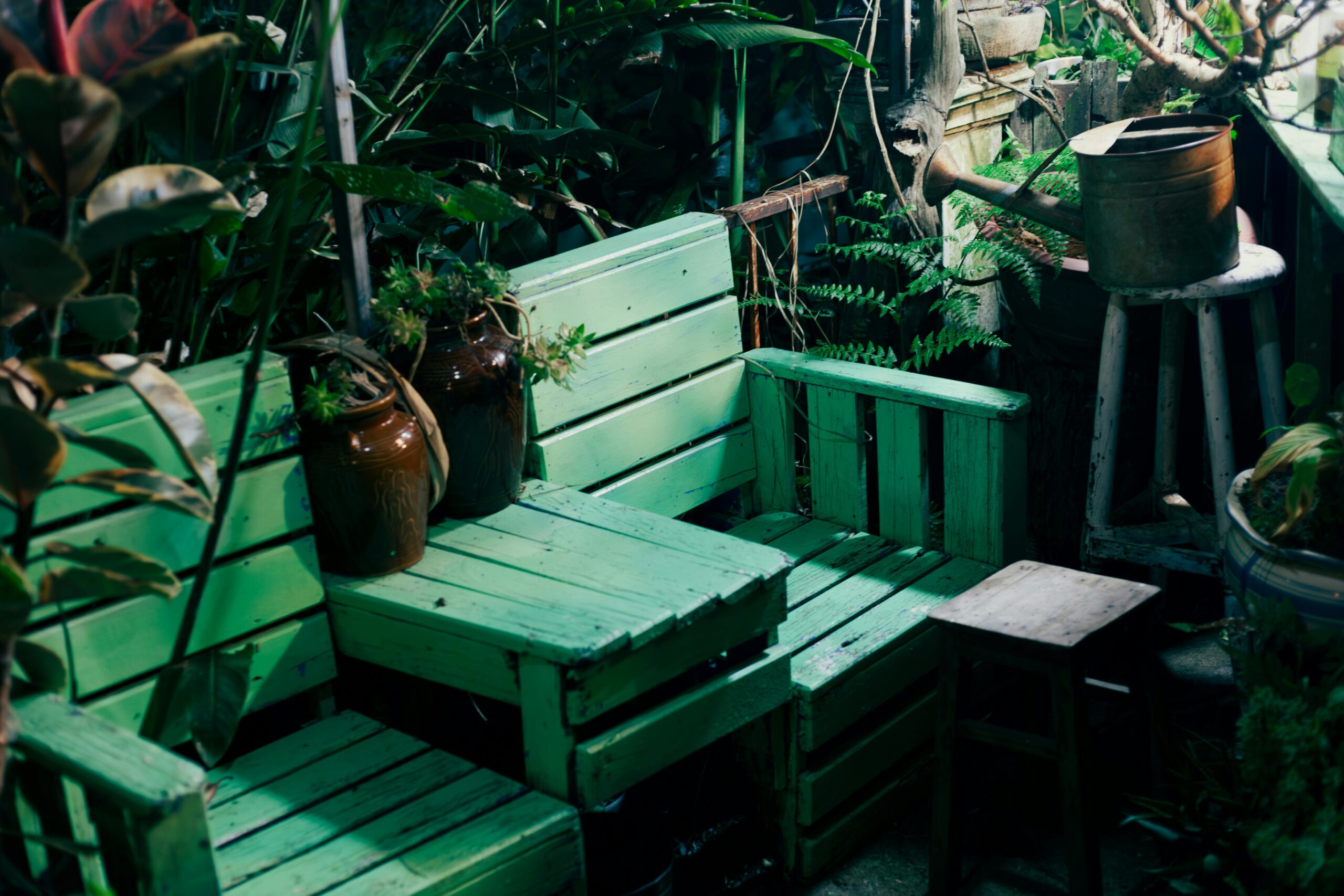
- Add a small chair or bench
- Use soft lighting
- Include decorative pots
👉 Combine greenery with comfort.
Is Balcony Gardening Difficult?
Not at all—if you follow the basics.
Key factors:
- Right plants
- Proper watering
- Consistent care
👉 Start small and grow gradually.
Final Thoughts
Balcony gardening proves that you don’t need a large space to enjoy nature. With a little planning and consistent care, even the smallest balcony can turn into a lush, productive garden.
Whether you want fresh herbs, vibrant flowers, or a peaceful green corner, your balcony has the potential to become something truly special.
Bottom Line
- Balcony gardening is perfect for small spaces
- Choose plants based on sunlight and environment
- Use proper containers and soil
- Maintain a simple, consistent routine
Blogszones is here to help you create a greener lifestyle, no matter where you live. Start your balcony garden today—and enjoy the benefits of nature right outside your door.