
Organic vegetable gardening is more than just a trend—it’s a lifestyle choice. In 2026, more people are moving toward growing their own food to avoid chemicals, save money, and live healthier lives.
But starting an organic vegetable garden can feel overwhelming if you don’t know where to begin.
👉 What soil should you use?
👉 Which vegetables grow easily?
👉 How do you control pests without chemicals?
This complete guide from Blogszones will walk you through everything you need to know—from setting up your garden to harvesting fresh, chemical-free vegetables.
What Is Organic Vegetable Gardening?
Organic gardening means growing vegetables without synthetic fertilizers, pesticides, or chemicals.
Instead, it relies on:
- Natural compost
- Organic fertilizers
- Eco-friendly pest control
- Sustainable practices
The goal is to create a healthy, balanced ecosystem where plants thrive naturally.
Why Choose Organic Gardening?
There are many reasons to go organic.
✔ Healthier Food
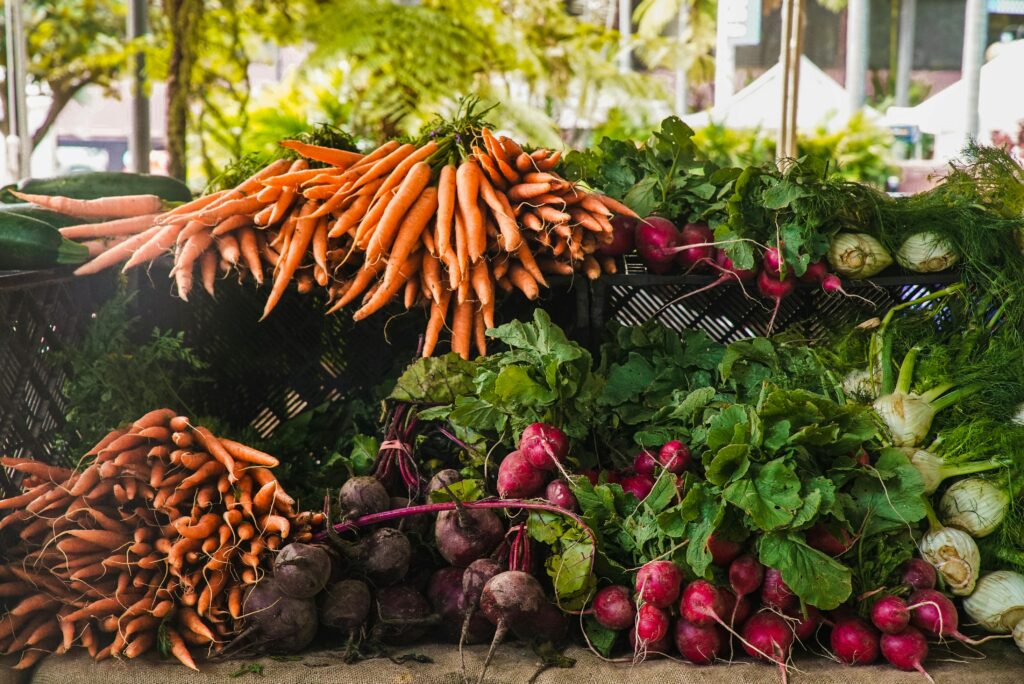
Organic vegetables are free from harmful chemical residues.
✔ Better Taste
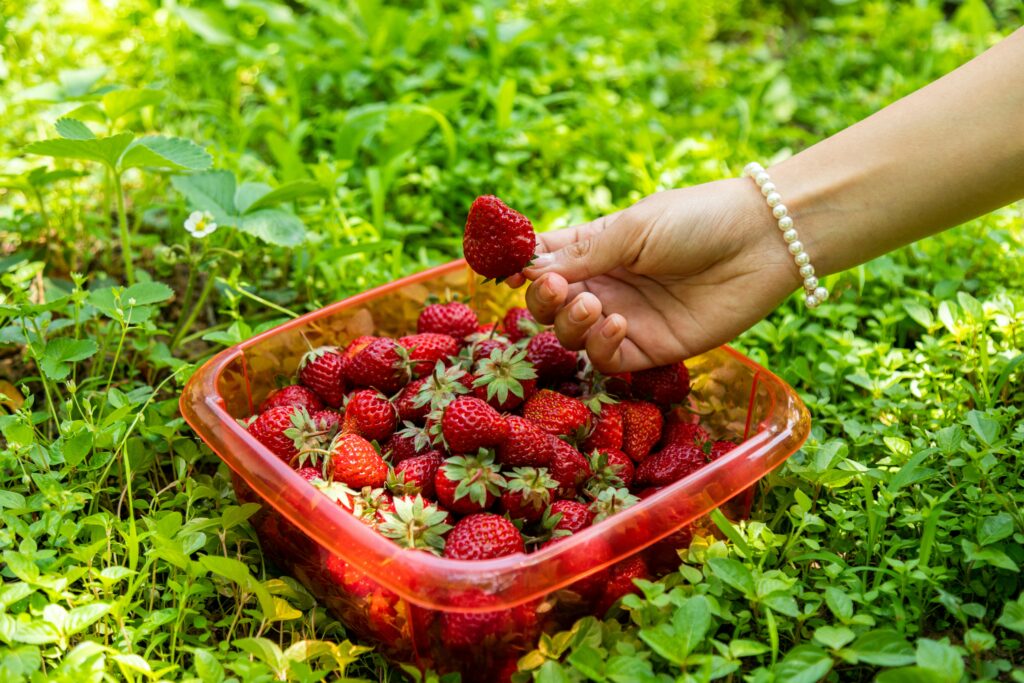
Many gardeners say organic produce tastes fresher and more flavorful.
✔ Environmentally Friendly
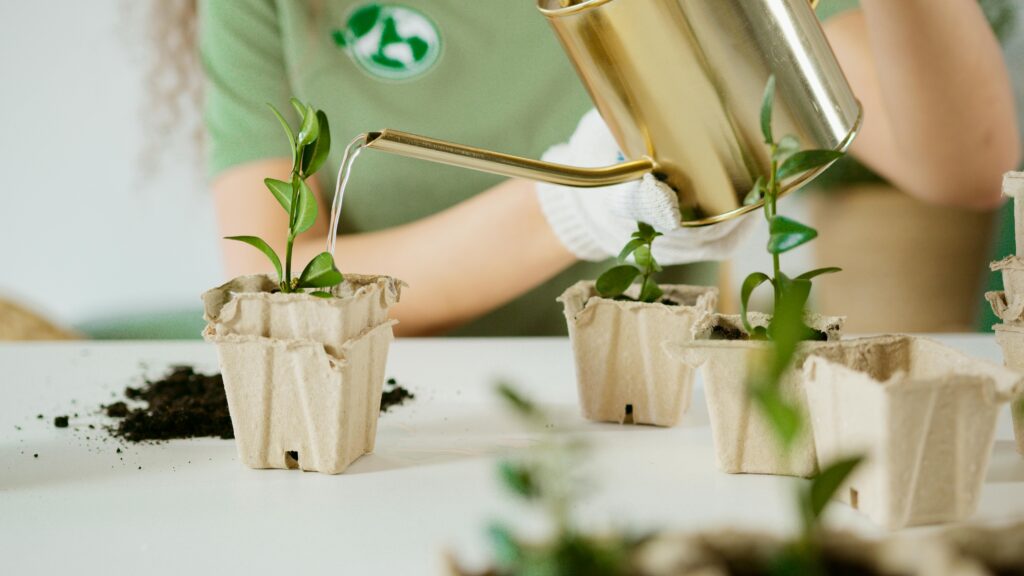
Organic methods:
- Protect soil health
- Reduce pollution
- Support biodiversity
✔ Cost Savings Over Time
Once established, your garden can reduce grocery expenses.
Step 1: Choose the Right Location
Location is critical for success.
🌞 Sunlight
Most vegetables need:
- 6–8 hours of sunlight daily
💧 Water Access
Choose a spot near a water source for easy irrigation.
🌬 Airflow
Good airflow helps prevent diseases.
Step 2: Prepare Organic Soil
Healthy soil is the foundation of organic gardening.
What Good Soil Needs:
- Proper drainage
- Rich nutrients
- Good structure
How to Improve Soil Naturally:
✔ Add Compost
Compost provides essential nutrients.
✔ Use Organic Matter
- Leaf mulch
- Kitchen waste (vegetable scraps)
✔ Avoid Chemical Fertilizers
They harm long-term soil health.
Step 3: Choose Easy Vegetables for Beginners
Start with vegetables that are easy to grow.
🥬 Beginner-Friendly Options:
- Tomatoes
- Spinach
- Lettuce
- Carrots
- Radishes
👉 These plants grow quickly and require minimal care.
Step 4: Plan Your Garden Layout
Proper planning saves time and effort.
Tips:
- Group plants with similar needs
- Leave space for growth
- Use raised beds if possible
Companion Planting
Some plants grow better together.
Examples:
- Tomatoes + basil
- Carrots + onions
👉 This improves growth and reduces pests.
Step 5: Watering Your Garden
Watering is essential—but must be done correctly.
Best Practices:
- Water early morning
- Avoid wetting leaves
- Keep soil moist, not soggy
Common Mistake:
❌ Overwatering → root rot
Step 6: Natural Fertilizers
Organic gardens rely on natural nutrients.
Options:
✔ Compost
Rich in nutrients and improves soil structure
✔ Manure (well-rotted)
Provides slow-release nutrients
✔ Organic liquid fertilizers
Fast nutrient boost
👉 Feed plants regularly but avoid overuse.
Step 7: Organic Pest Control
Pests are a common challenge—but chemicals aren’t the answer.
Natural Solutions:
✔ Neem Oil
Effective against many insects
✔ Soap Spray
Removes soft-bodied pests
✔ Companion Plants
Some plants repel pests naturally
✔ Hand Removal
Simple but effective for small gardens
Step 8: Weed Management
Weeds compete with your vegetables for nutrients.
Organic Methods:
- Mulching
- Hand weeding
- Ground covers
👉 Avoid chemical weed killers.
Step 9: Mulching
Mulch is a powerful tool in organic gardening.
Benefits:
- Retains moisture
- Prevents weeds
- Improves soil health
Materials:
- Straw
- Leaves
- Wood chips
Step 10: Crop Rotation
Don’t grow the same plant in the same spot every season.
Why it matters:
- Prevents soil depletion
- Reduces pests and diseases
Step 11: Harvesting Your Vegetables
Harvest at the right time for best taste and nutrition.
Tips:
- Pick vegetables when ripe
- Harvest regularly
- Use clean tools
👉 Frequent harvesting encourages more growth.
Beginner Gardening Plan
Start simple.
Example Setup:
- 3–4 vegetable types
- Small garden bed or containers
👉 Build experience gradually.
Common Mistakes to Avoid
❌ Using Chemical Products
Defeats the purpose of organic gardening.
❌ Poor Soil Preparation
Leads to weak plants.
❌ Overwatering
One of the biggest causes of plant failure.
❌ Planting Too Much Too Soon
Start small.
Can You Grow Organic Vegetables in Small Spaces?
Yes!
Options:
- Container gardening
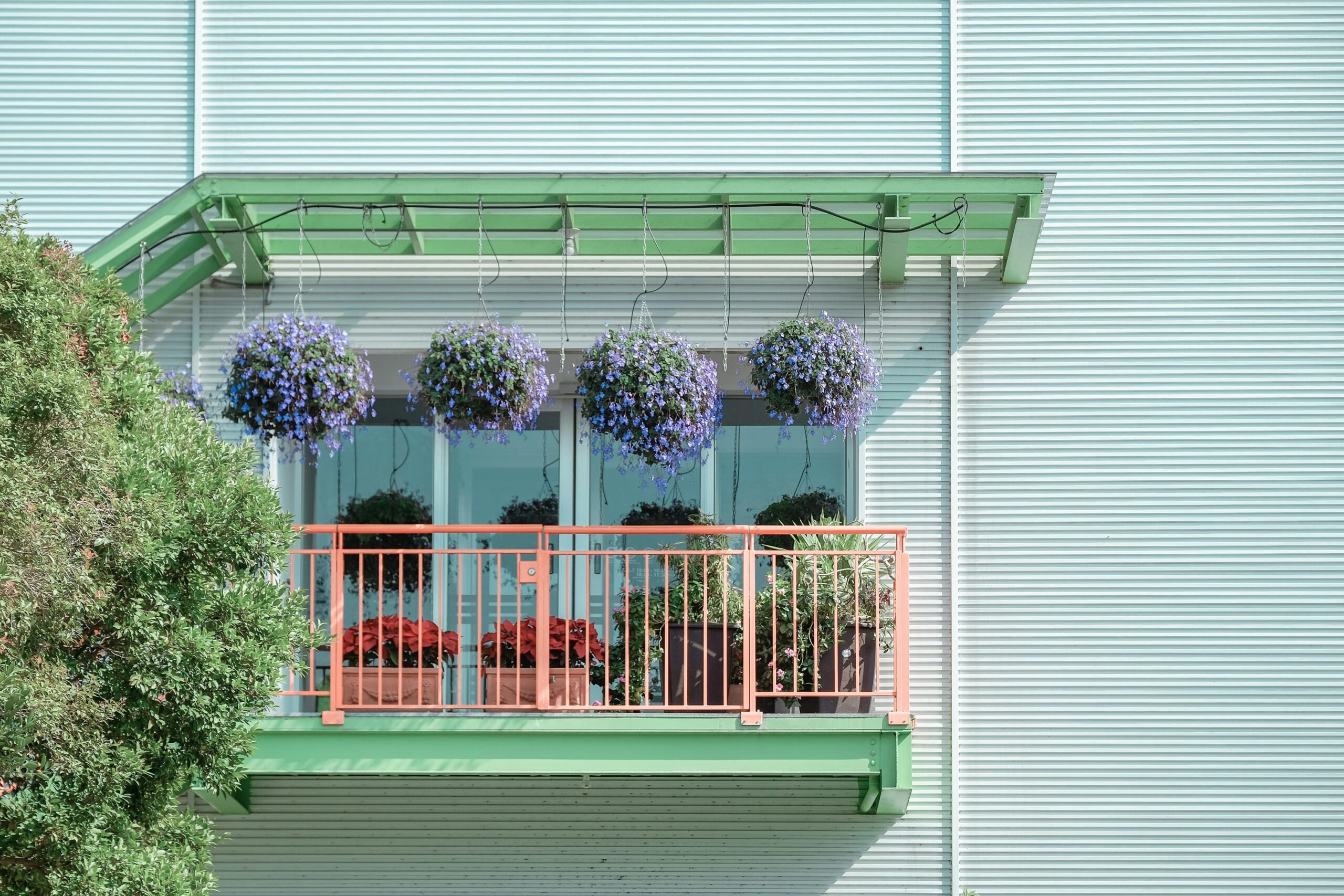
- Balcony gardening
- Vertical gardening
👉 Space is not a limitation anymore.
Seasonal Gardening Tips
🌱 Spring
Best time to plant most vegetables.
☀ Summer
Focus on watering and pest control.
🍂 Autumn
Harvest and prepare soil.
❄ Winter
Plan for next season.
Benefits of Growing Your Own Food
- Fresh, chemical-free produce
- Greater food security
- Personal satisfaction
- Connection with nature
Final Thoughts
Organic vegetable gardening is not just about growing food—it’s about creating a sustainable, healthy lifestyle. It may take time to learn, but the rewards are worth it.
Start small, stay consistent, and learn from your experience. Over time, your garden will become more productive and easier to manage.
Bottom Line
- Organic gardening avoids harmful chemicals
- Healthy soil is the foundation
- Choose beginner-friendly vegetables
- Use natural fertilizers and pest control
Blogszones is here to guide you toward a greener, healthier lifestyle. With the right approach, anyone can grow fresh, organic vegetables—even in limited space.