
Living in a small apartment or a home with limited outdoor space doesn’t mean you have to give up gardening. In fact, small space gardening is one of the fastest-growing trends in 2026, especially in urban environments where every inch counts.
Whether you have a tiny balcony, a windowsill, or just a corner in your home, you can still grow herbs, vegetables, and beautiful plants with the right techniques.
In this complete guide from Blogszones, you’ll learn how to turn even the smallest space into a productive, green oasis.
Why Small Space Gardening Is Worth It
Small space gardening isn’t just about saving space—it offers real benefits.
🌿 Key Advantages:
- Grow fresh herbs and vegetables at home
- Save money on groceries
- Improve indoor air quality
- Reduce stress and boost mood
- Make your living space more attractive
Even a few plants can make a big difference in your daily life.
Step 1: Evaluate Your Space
Before you start, understand what you’re working with.
📏 Measure Your Area
Identify:
- Available floor space
- Wall space
- Hanging areas
☀ Check Sunlight
Light determines what you can grow.
- Full sun (6–8 hours): Vegetables, herbs
- Partial sun (3–5 hours): Leafy greens
- Low light: Decorative plants
🌬 Consider Airflow
Good airflow helps prevent pests and diseases.
Step 2: Choose the Right Plants
Not all plants are suitable for small spaces.
🌱 Best Plants for Small Space Gardening
Herbs:
- Basil
- Mint
- Coriander
Vegetables:
- Cherry tomatoes
- Lettuce
- Spinach
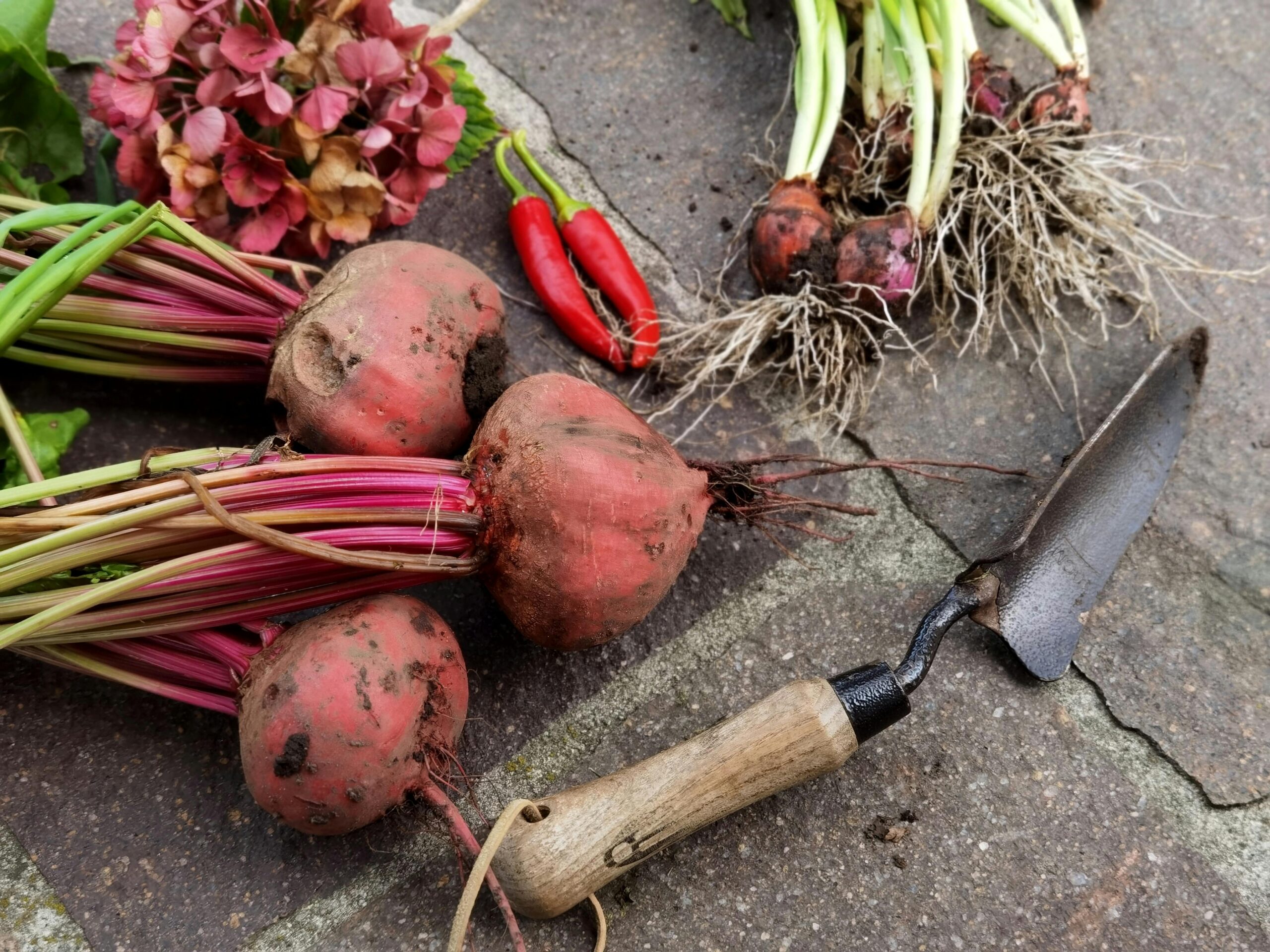
- Chillies
Decorative Plants:
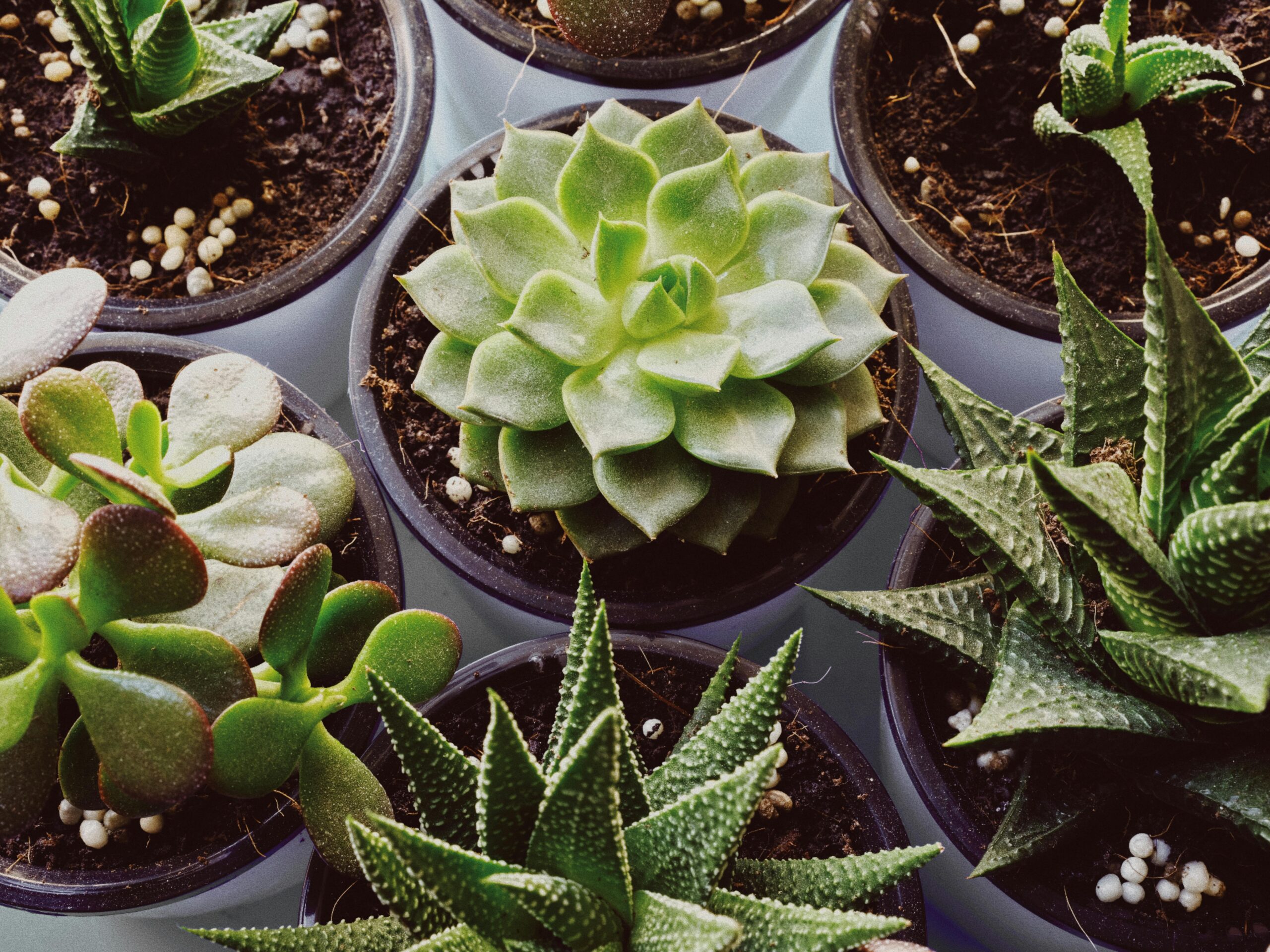
- Succulents
- Snake plants
- Pothos
👉 Choose compact or dwarf varieties whenever possible.
Step 3: Use Smart Containers
Containers are essential for small space gardening.
✔ Types of Containers:
- Pots
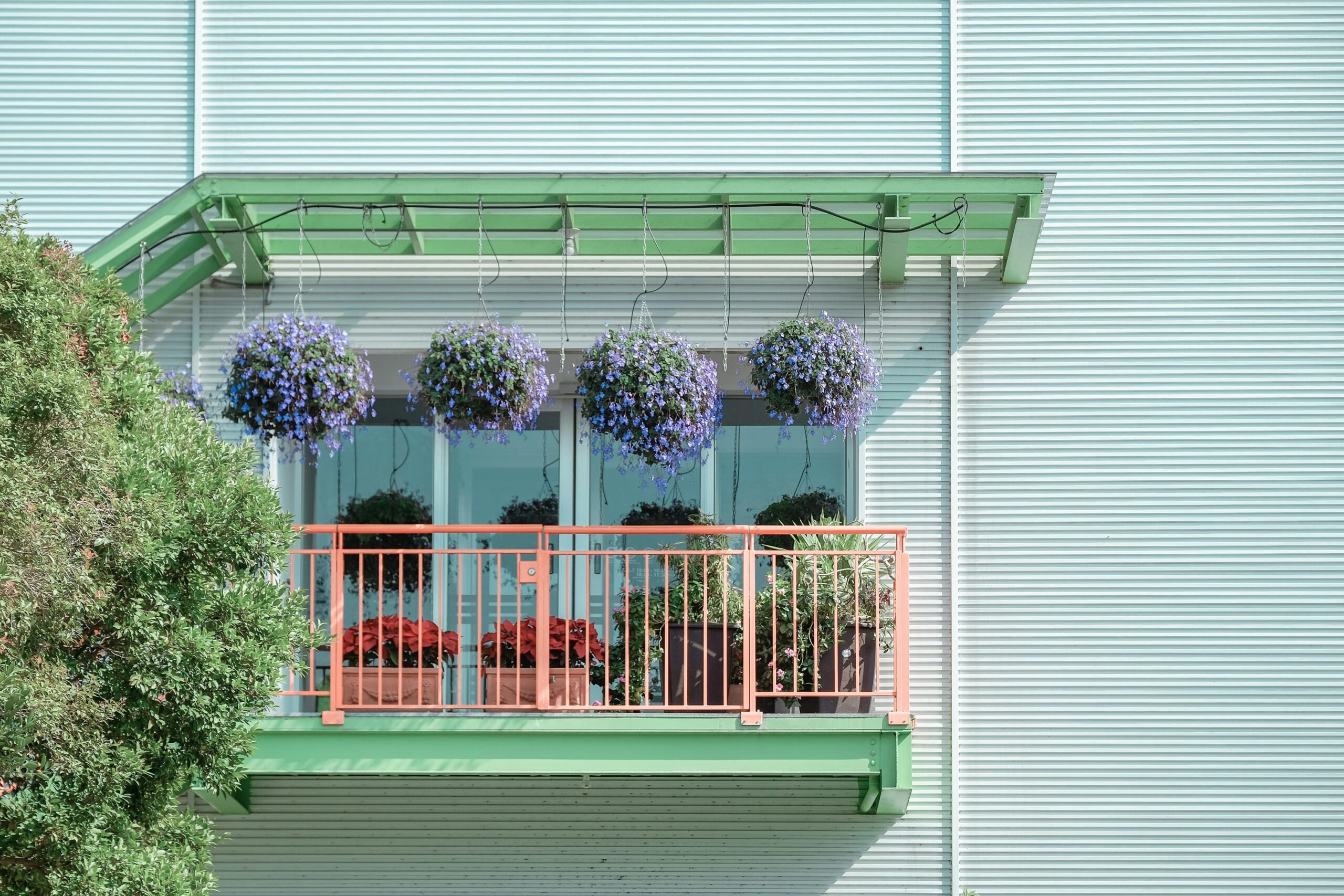
- Hanging baskets
- Window boxes
- Vertical planters
Important Tip:
✔ Always ensure proper drainage
Space-Saving Tip:
Use stackable or multi-level containers.
Step 4: Go Vertical
Vertical gardening is a game-changer.
Ideas:
- Wall-mounted planters
- Hanging pots
- Trellises for climbing plants
Benefits:
- Maximizes limited space
- Improves airflow
- Creates a beautiful display
Step 5: Use the Right Soil
Container plants need quality soil.
Best Choice:
- Lightweight potting mix
Why:
- Better drainage
- Supports root growth
- Prevents compaction
Step 6: Watering Techniques
Small containers dry out faster than garden beds.
Tips:
- Check soil daily
- Water when top layer is dry
- Avoid overwatering
Best Time:
- Early morning or evening
Step 7: Fertilizing for Growth
Plants in small spaces rely on you for nutrients.
Options:
- Liquid fertilizers
- Compost
- Organic plant food
Frequency:
- Every 2–3 weeks
👉 Don’t over-fertilize.
Step 8: Optimize Light
If natural light is limited, you have options.
Solutions:
- Move plants closer to windows
- Rotate plants regularly
- Use grow lights if necessary
👉 Light is one of the biggest success factors.
Step 9: Maintenance Routine
Consistency is key.
Weekly Tasks:
- Check soil moisture
- Inspect leaves
- Remove dead parts
Monthly Tasks:
- Fertilize
- Adjust plant positions
Step 10: Pest Control
Small spaces can still attract pests.
Common pests:
- Aphids
- Spider mites
Natural solutions:
- Neem oil
- Soap spray
👉 Early detection is important.
Step 11: Seasonal Adjustments
Your gardening routine should change with seasons.
🌸 Spring & Summer:
- Active growth
- Frequent watering
🍂 Autumn:
- Reduce watering
- Prepare plants
❄ Winter:
- Protect from cold
- Move indoors if needed
Creative Small Space Gardening Ideas
🌿 Windowsill Garden
Perfect for herbs and small plants.
🌱 Hanging Garden
Use ceiling or wall hooks.
🪴 Shelf Garden
Stack plants vertically.
🌸 Balcony Corner Garden
Combine containers and vertical setups.
Beginner Setup Plan
Start small to avoid overwhelm.
Example:
- 2 herbs
- 1 vegetable
- 1 decorative plant
👉 Learn and expand gradually.
Common Mistakes to Avoid
❌ Overcrowding
Too many plants = poor growth.
❌ Overwatering
Containers need controlled watering.
❌ Ignoring Light Needs
Plants won’t thrive without proper light.
❌ Using Poor Soil
Leads to weak plants.
Can You Grow Food in Small Spaces?
Absolutely!
Best options:
- Leafy greens
- Herbs
- Small vegetables
👉 Fresh food is possible even in tiny spaces.
Benefits of Small Space Gardening
- Fresh and healthy produce
- Cost savings
- Better mental well-being
- Efficient use of space
Is Small Space Gardening Difficult?
Not at all.
Success depends on:
- Proper planning
- Choosing the right plants
- Consistent care
👉 Anyone can do it with the right approach.
Final Thoughts
Small space gardening proves that you don’t need a big yard to enjoy the benefits of growing plants. With creativity and smart planning, even the smallest space can become productive and beautiful.
Start simple, stay consistent, and watch your space transform into a green sanctuary.
Bottom Line
- Small spaces can still support a thriving garden
- Use vertical and smart container solutions
- Focus on light, watering, and soil quality
- Start small and expand over time
Blogszones is here to help you make the most of your space. No matter how small your area is, you can grow something amazing with the right techniques.