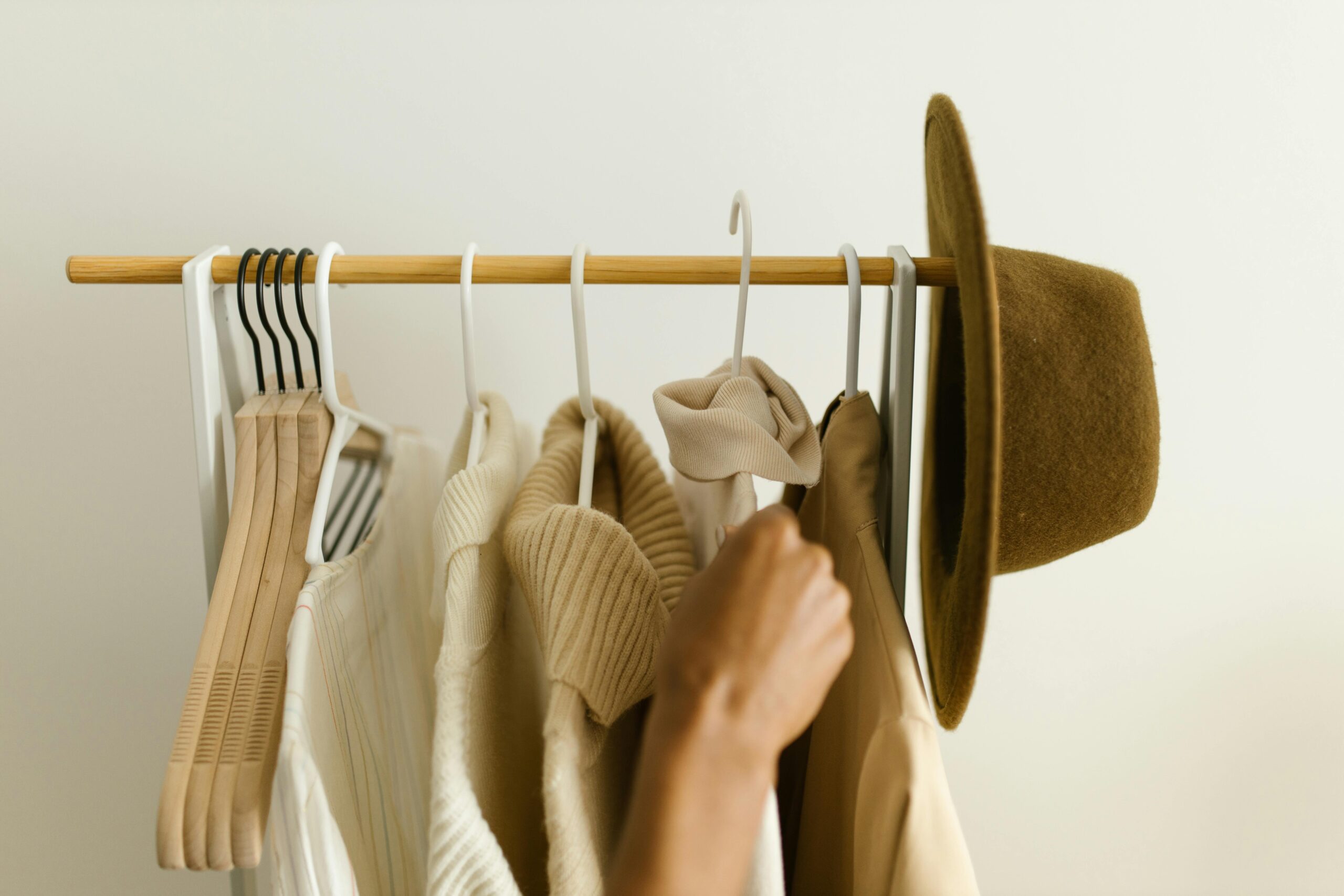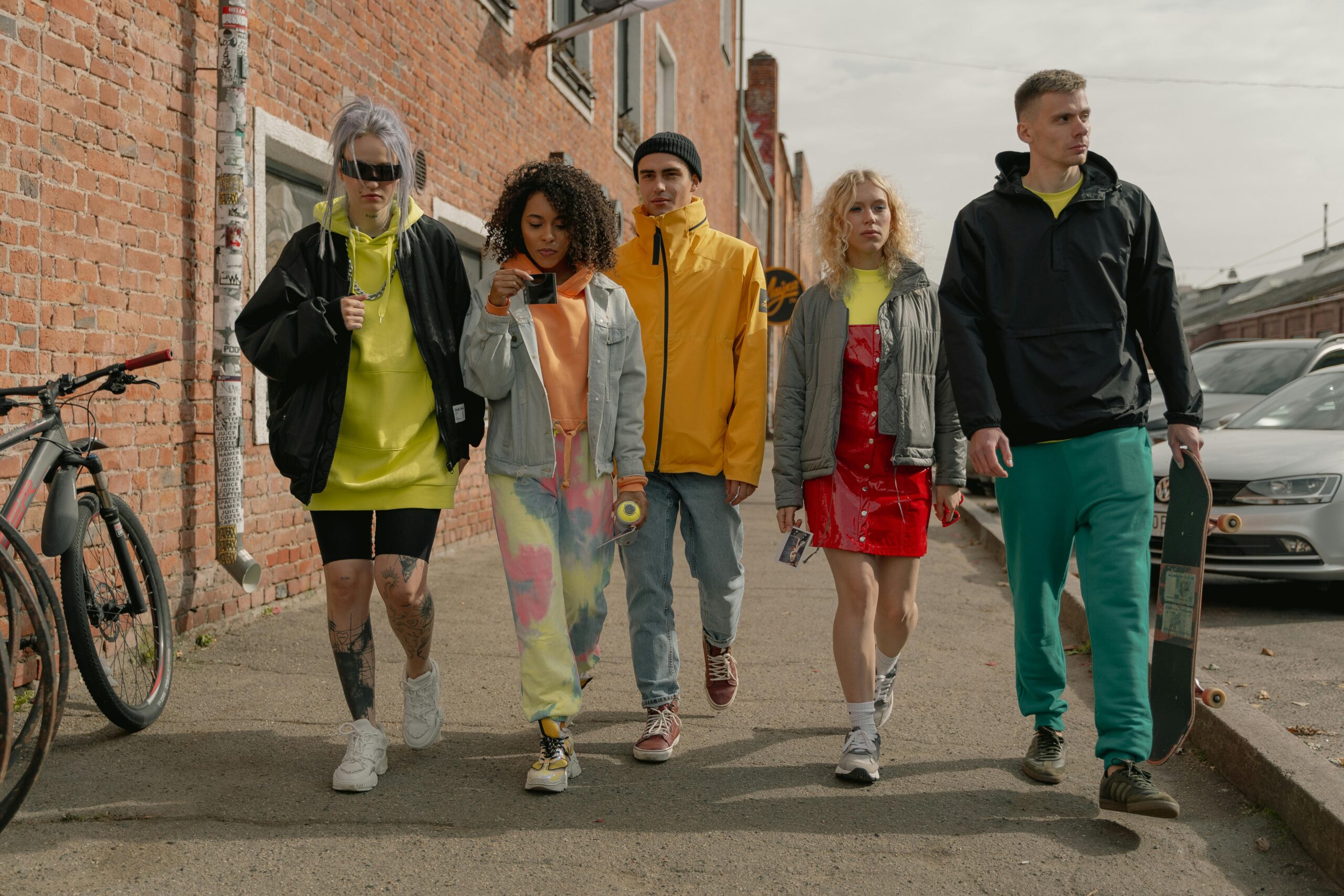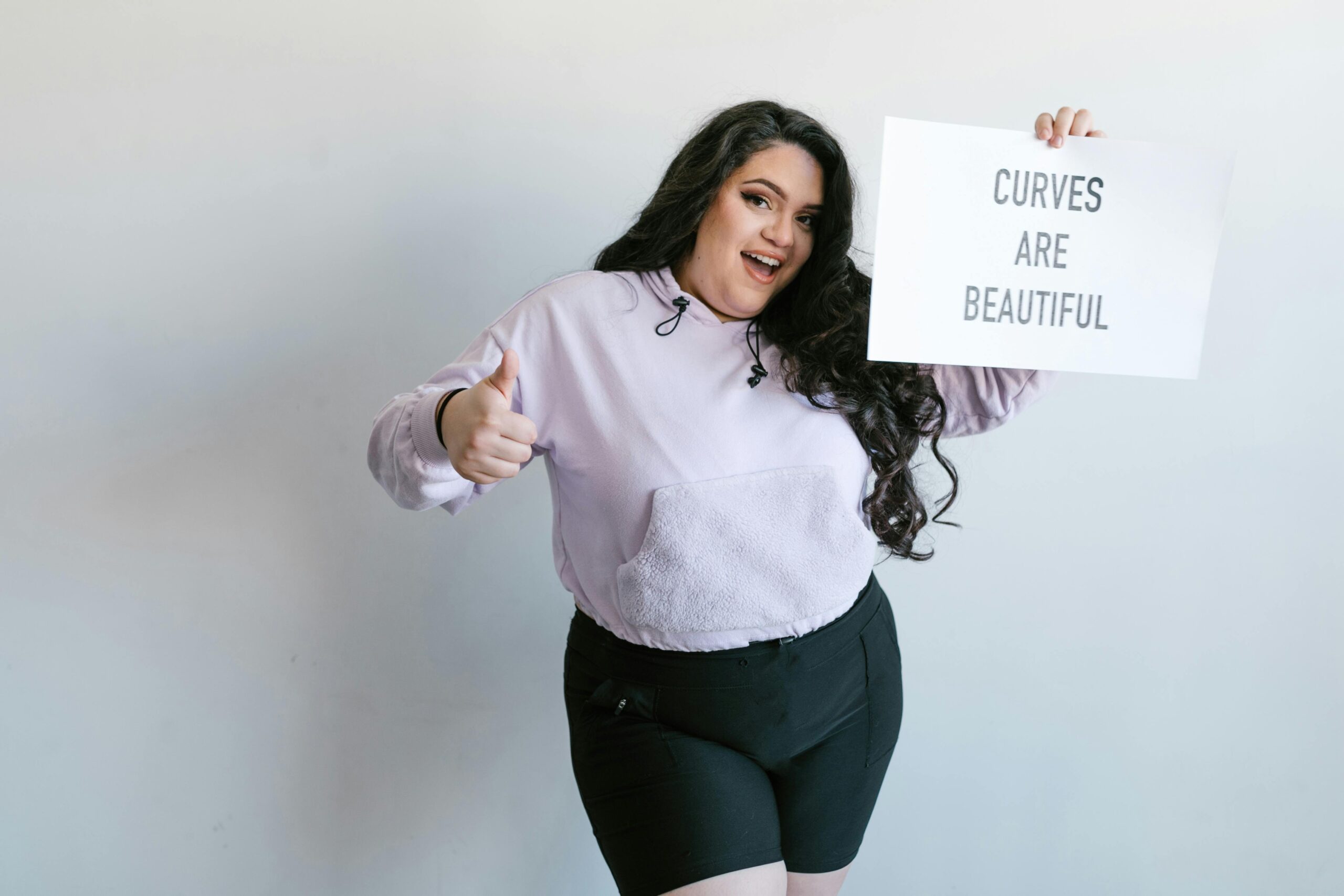


Fashion is constantly evolving—but in recent years, one movement has stood out more than any trend: sustainable fashion. In 2026, consumers are becoming more aware of how their clothing choices impact the environment, workers, and future generations.
But what does sustainable fashion really mean? And how can you make better choices without sacrificing style?
In this comprehensive guide from Blogszones, we’ll break down everything you need to know about sustainable fashion—from understanding its impact to building a wardrobe that’s stylish, ethical, and eco-friendly.
What Is Sustainable Fashion?
Sustainable fashion refers to clothing that is designed, produced, and consumed in ways that minimize environmental impact and promote ethical practices.
It focuses on:
- Eco-friendly materials
- Fair labor practices
- Reduced waste
- Long-lasting clothing
Why Sustainable Fashion Matters
The fashion industry is one of the largest polluters in the world.
🌍 Environmental Impact
- Massive water consumption
- Textile waste in landfills
- Pollution from dyes and chemicals
👥 Ethical Concerns
- Low wages for workers
- Unsafe working conditions
- Lack of transparency in supply chains
👉 Sustainable fashion aims to solve these issues.
Fast Fashion vs Sustainable Fashion
⚡ Fast Fashion
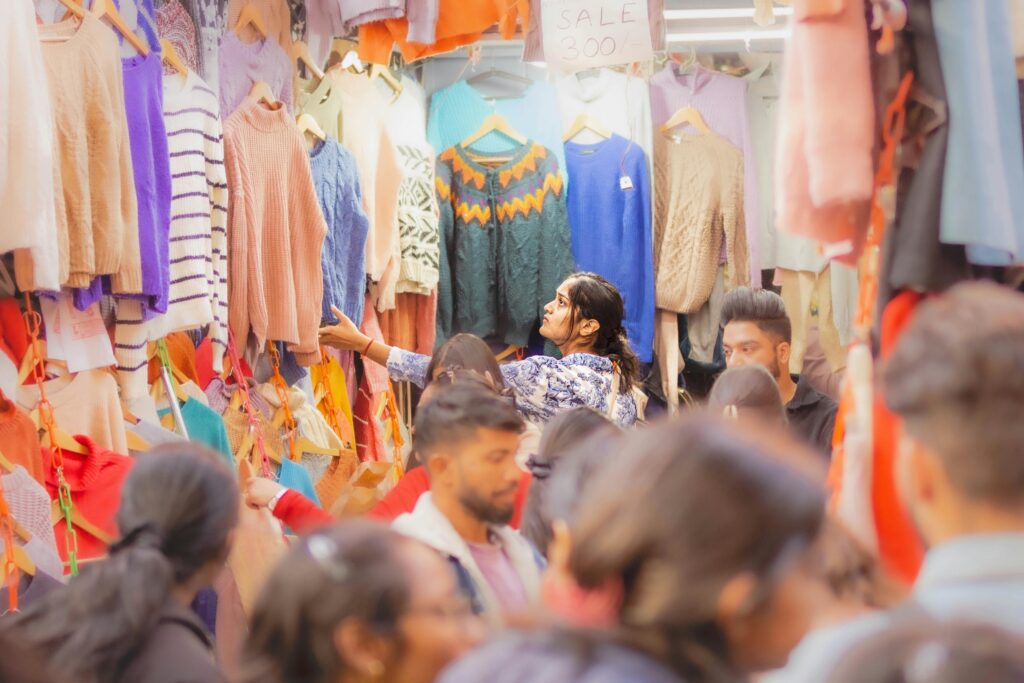
- Cheap, trendy clothing
- Mass production
- Short lifespan
🌱 Sustainable Fashion
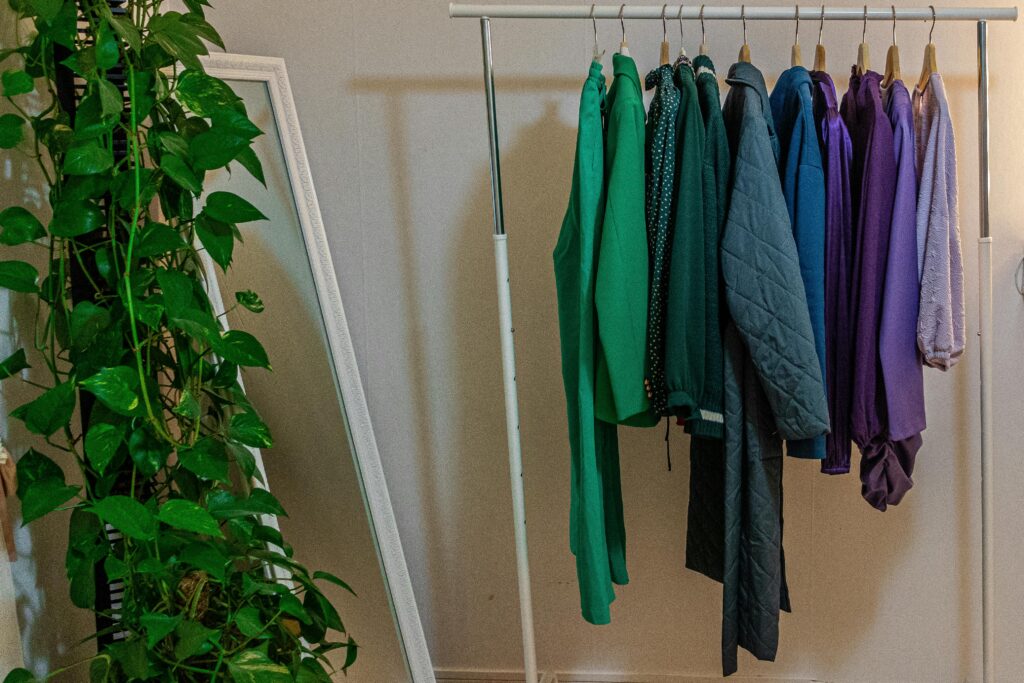
- Quality over quantity
- Ethical production
- Long-lasting materials
👉 The difference is not just price—it’s impact.
Key Principles of Sustainable Fashion
✔ 1. Quality Over Quantity
Buy fewer items that last longer.
✔ 2. Eco-Friendly Materials
Choose fabrics like:
- Organic cotton
- Linen
- Hemp
- Recycled materials
✔ 3. Ethical Production
Support brands that treat workers fairly.
✔ 4. Waste Reduction
Reduce, reuse, and recycle clothing.
Types of Sustainable Fabrics
🌿 Organic Cotton
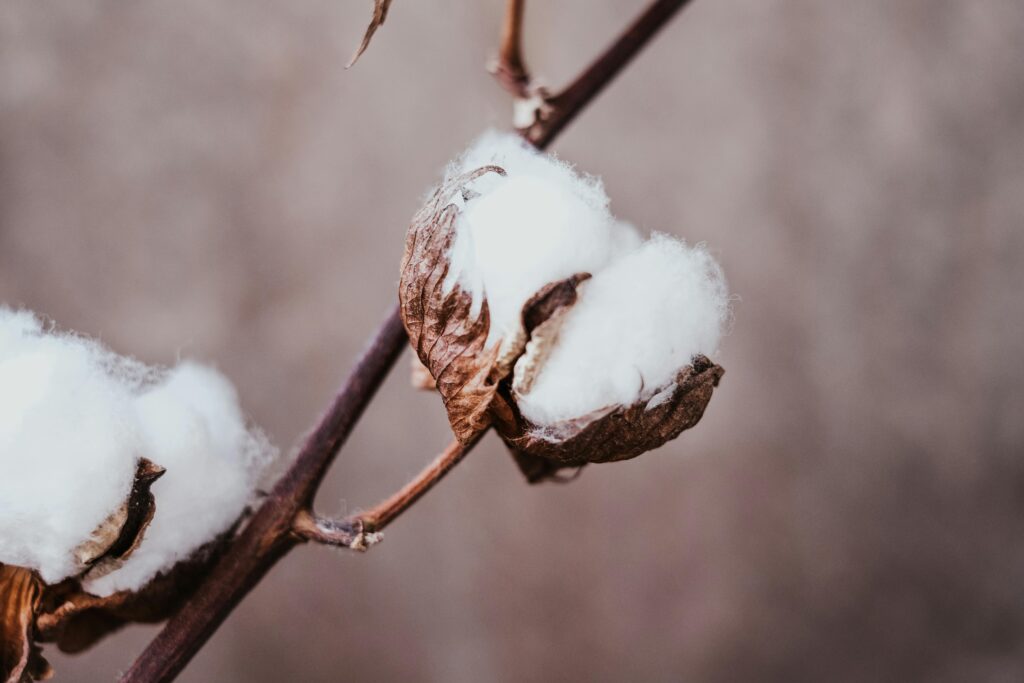
- Grown without harmful chemicals
- Safer for farmers and environment
🌾 Linen
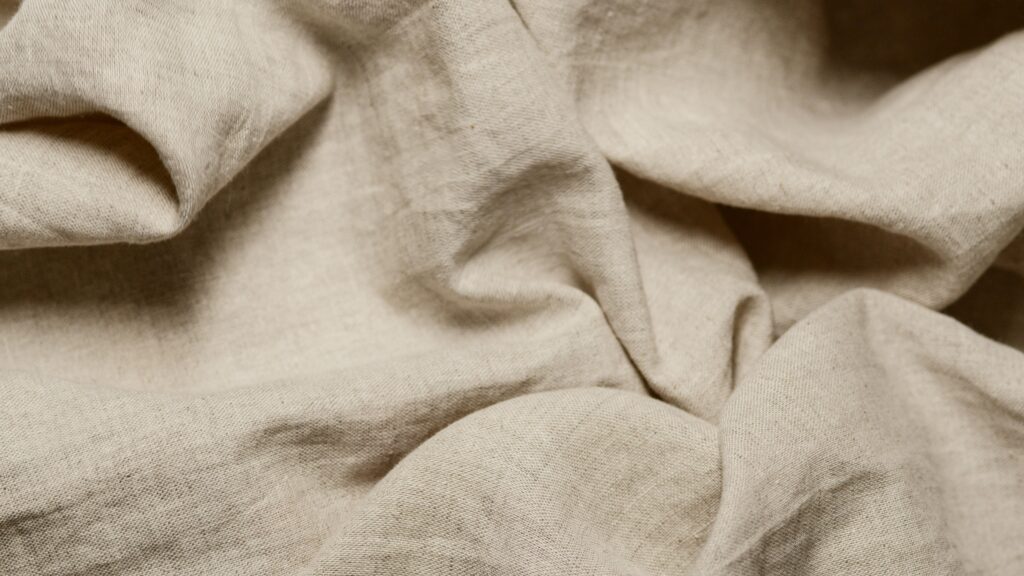
- Made from flax plant
- Requires less water
🌱 Hemp
- Durable and eco-friendly
- Grows quickly with minimal resources
♻ Recycled Fabrics
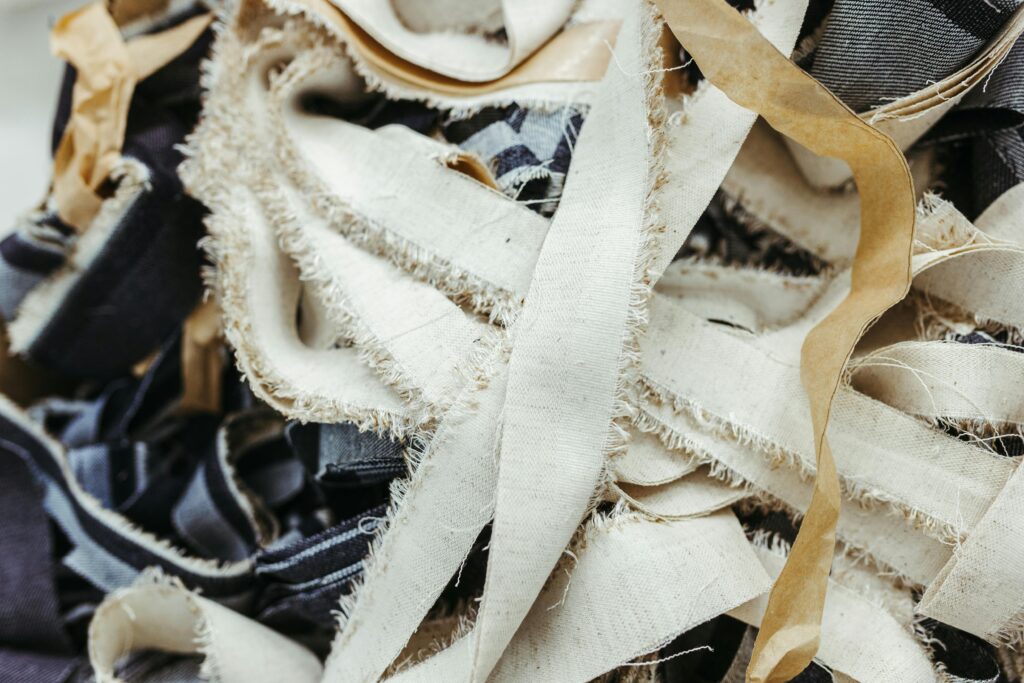
- Made from reused materials
- Reduces waste
How to Build a Sustainable Wardrobe
Step 1: Assess Your Current Closet
Start by evaluating what you already have.
Ask yourself:
- What do I wear often?
- What do I rarely use?
👉 This helps avoid unnecessary purchases.
Step 2: Buy Less, Choose Better
Avoid impulse buying.
Focus on:
- Timeless pieces
- Versatile clothing
Step 3: Invest in Quality
High-quality clothing:
- Lasts longer
- Looks better over time
Step 4: Support Ethical Brands
Look for brands that:
- Use sustainable materials
- Provide transparency
- Follow fair labor practices
Step 5: Care for Your Clothes
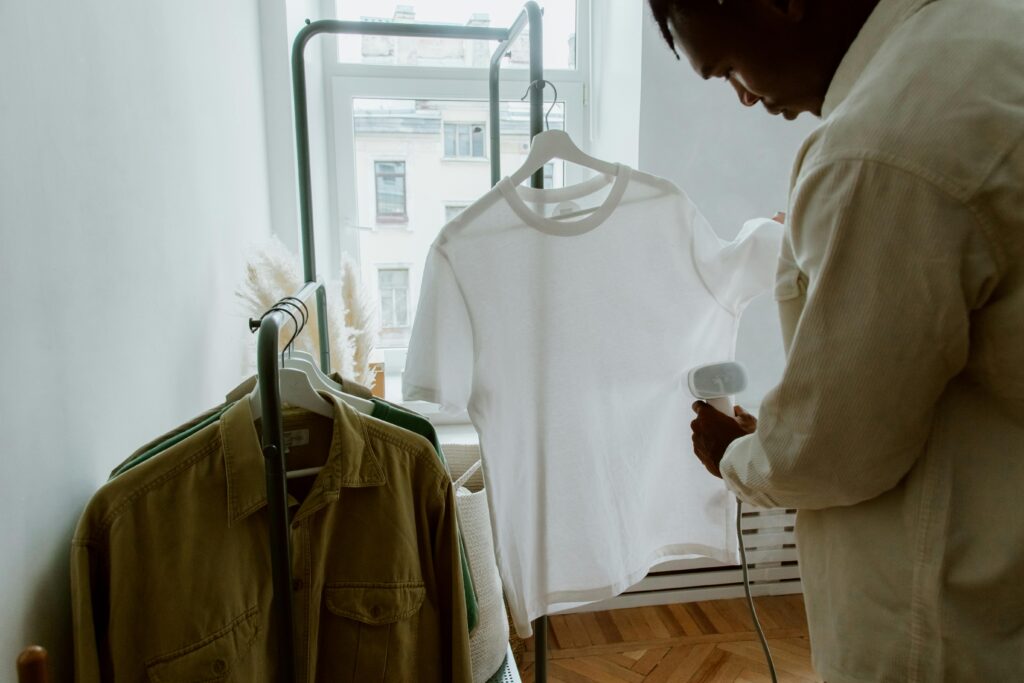
Extend the life of your clothing.
Tips:
- Wash less frequently
- Use cold water
- Air dry when possible
Step 6: Reuse and Recycle
Options:
- Donate unused clothes
- Upcycle old items
- Buy second-hand
👉 This reduces waste significantly.
Benefits of Sustainable Fashion
✔ Environmental Protection
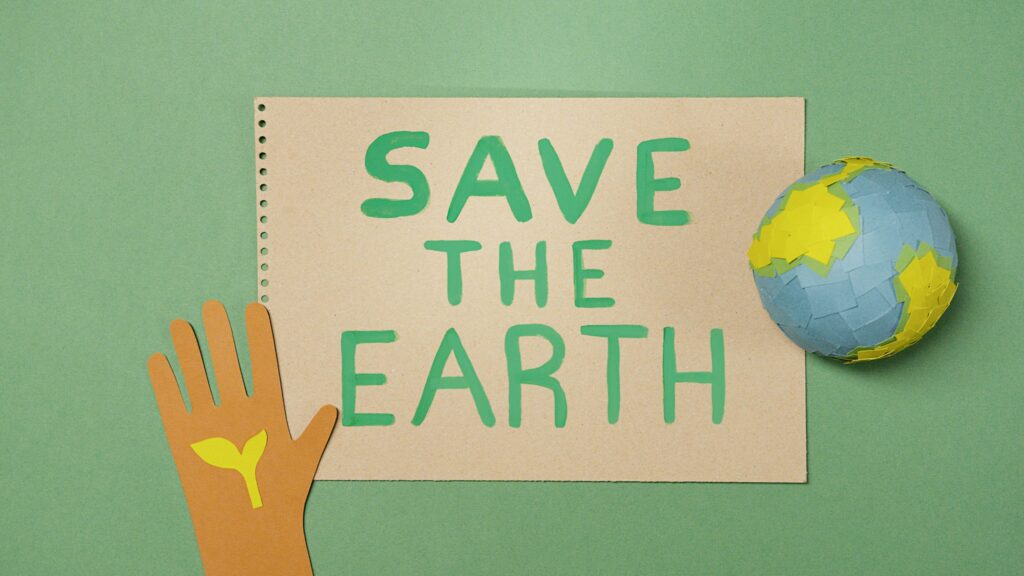
Reduces pollution and waste.
✔ Better Quality Clothing
Durable and long-lasting.
✔ Ethical Support
Helps workers and communities.
✔ Cost-Effective Long-Term
Fewer replacements needed.
Common Myths About Sustainable Fashion
❌ “It’s Too Expensive”
While some items cost more upfront, they last longer.
❌ “It’s Not Stylish”
Sustainable fashion includes modern and trendy designs.
❌ “It’s Hard to Find”
More brands are becoming sustainable every year.
Sustainable Fashion on a Budget
You don’t need a big budget to be sustainable.
Tips:
- Buy second-hand clothing
- Shop during sales
- Focus on essentials
- Avoid trends
Role of Technology in Sustainable Fashion
Technology is helping the industry evolve.
Innovations:
- Eco-friendly fabrics
- Recycling technologies
- Supply chain transparency
👉 The future of fashion is smarter and greener.
How Consumers Can Make a Difference
Every purchase matters.
Simple actions:
- Buy less
- Choose quality
- Support ethical brands
- Care for your clothes
👉 Small changes create big impact.
Challenges of Sustainable Fashion
❌ Higher Initial Cost
❌ Limited availability in some areas
❌ Greenwashing (false sustainability claims)
👉 Always research before buying.
Future of Sustainable Fashion
In 2026 and beyond, sustainable fashion is expected to grow rapidly.
Trends:
- Circular fashion (reuse and recycle systems)
- Biodegradable fabrics
- Increased consumer awareness
👉 Sustainability is becoming the new standard.
Final Thoughts
Sustainable fashion is not about perfection—it’s about making better choices. You don’t need to replace your entire wardrobe overnight. Instead, focus on gradual changes that align with your lifestyle.
By choosing quality over quantity and supporting ethical practices, you contribute to a healthier planet and a fairer fashion industry.
Bottom Line
- Sustainable fashion reduces environmental and social impact
- Focus on quality, not quantity
- Support ethical brands
- Small changes can make a big difference
Blogszones is here to guide you toward smarter, more conscious living. Sustainable fashion isn’t just a trend—it’s the future of style.